
In a world overflowing with digital noise and environmental challenges, eco-spiritual retreats offer sanctuaries where inner transformation meets planetary healing.

The modern human experience has become increasingly disconnected from both our inner landscape and the natural world that sustains us. We find ourselves caught in cycles of consumption, distraction, and environmental degradation that leave us feeling depleted, anxious, and spiritually adrift. This growing awareness has sparked a profound movement toward eco-spiritual retreats—immersive experiences that weave together ecological consciousness, spiritual practice, and holistic wellness into transformative journeys of reconnection.
These retreats represent more than just vacations or temporary escapes from daily stress. They offer pathways to fundamental shifts in how we relate to ourselves, each other, and the living planet we call home. By combining ancient wisdom traditions with contemporary environmental awareness, eco-spiritual retreats create spaces where personal healing and planetary care become inseparable aspects of the same journey.
🌿 The Rising Consciousness Behind Eco-Spiritual Retreats
The eco-spiritual movement emerges from a recognition that our personal wellbeing and environmental health are intimately interconnected. Climate anxiety, nature deficit disorder, and spiritual emptiness have become defining characteristics of contemporary life, particularly in urbanized societies. These retreats address these interconnected crises by creating intentional spaces where participants can slow down, tune in, and remember their fundamental relationship with the natural world.
Unlike conventional wellness retreats that may focus exclusively on personal benefit, eco-spiritual experiences embed environmental stewardship into every aspect of the journey. Participants don’t just visit nature—they learn to listen to it, honor it, and recognize themselves as part of the intricate web of life. This shift from anthropocentric to ecocentric consciousness forms the philosophical foundation of authentic eco-spiritual practice.
Research increasingly validates what indigenous cultures have long understood: time spent in nature reduces stress hormones, improves immune function, enhances creativity, and fosters psychological wellbeing. When combined with contemplative practices, nutritious plant-based foods, and community connection, these benefits multiply exponentially.
The Multidimensional Benefits of Nature-Based Spiritual Practice
Eco-spiritual retreats work on multiple levels simultaneously, addressing the fragmentation that characterizes modern existence. The benefits extend far beyond the retreat itself, often catalyzing lasting changes in lifestyle, values, and consciousness.
Physical Restoration and Vitality 💚
The body responds powerfully to immersion in natural environments. Forest bathing, or shinrin-yoku, has been shown to lower blood pressure, reduce cortisol levels, and boost natural killer cell activity—our immune system’s first line of defense against disease. Eco-spiritual retreats typically incorporate movement practices like yoga, tai chi, or mindful hiking that honor the body’s wisdom while building strength and flexibility.
Many retreats emphasize whole-food, plant-based nutrition that nourishes the body while minimizing environmental impact. Participants often report increased energy, improved digestion, better sleep quality, and a renewed appreciation for simple, wholesome foods. This nutritional component reinforces the connection between personal health and planetary health—what’s good for our bodies is typically good for the Earth.
Mental Clarity and Emotional Balance
The constant stimulation of modern life keeps our nervous systems in chronic activation, contributing to anxiety, depression, and burnout. Eco-spiritual retreats create conditions for the nervous system to downregulate, allowing the parasympathetic “rest and digest” response to predominate. This physiological shift enables deeper mental clarity, emotional processing, and psychological integration.
Meditation practices, breathwork, and contemplative time in nature help participants develop greater awareness of thought patterns and emotional reactivity. Many retreat participants describe experiencing emotional releases—tears, laughter, or cathartic expression—as they create space for feelings that have been suppressed or ignored in the rush of daily life.
Spiritual Awakening and Connection ✨
Perhaps the most profound dimension of eco-spiritual retreats involves the awakening to deeper dimensions of existence. Whether framed through Buddhist mindfulness, shamanic practices, Christian contemplation, or non-denominational spirituality, these retreats facilitate direct experiences of interconnection, transcendence, and meaning.
Participants often describe moments of profound presence—standing beneath ancient trees, watching sunrises over mountains, or sitting beside flowing water—when the boundary between self and nature dissolves. These experiences of unity consciousness can fundamentally shift one’s sense of identity and purpose, revealing that we are not separate from nature but expressions of it.
🏔️ Core Elements of Transformative Eco-Spiritual Retreats
While eco-spiritual retreats vary widely in their specific offerings, certain elements consistently appear in the most transformative programs. Understanding these components helps potential participants identify experiences aligned with their needs and intentions.
Intentional Location and Environmental Design
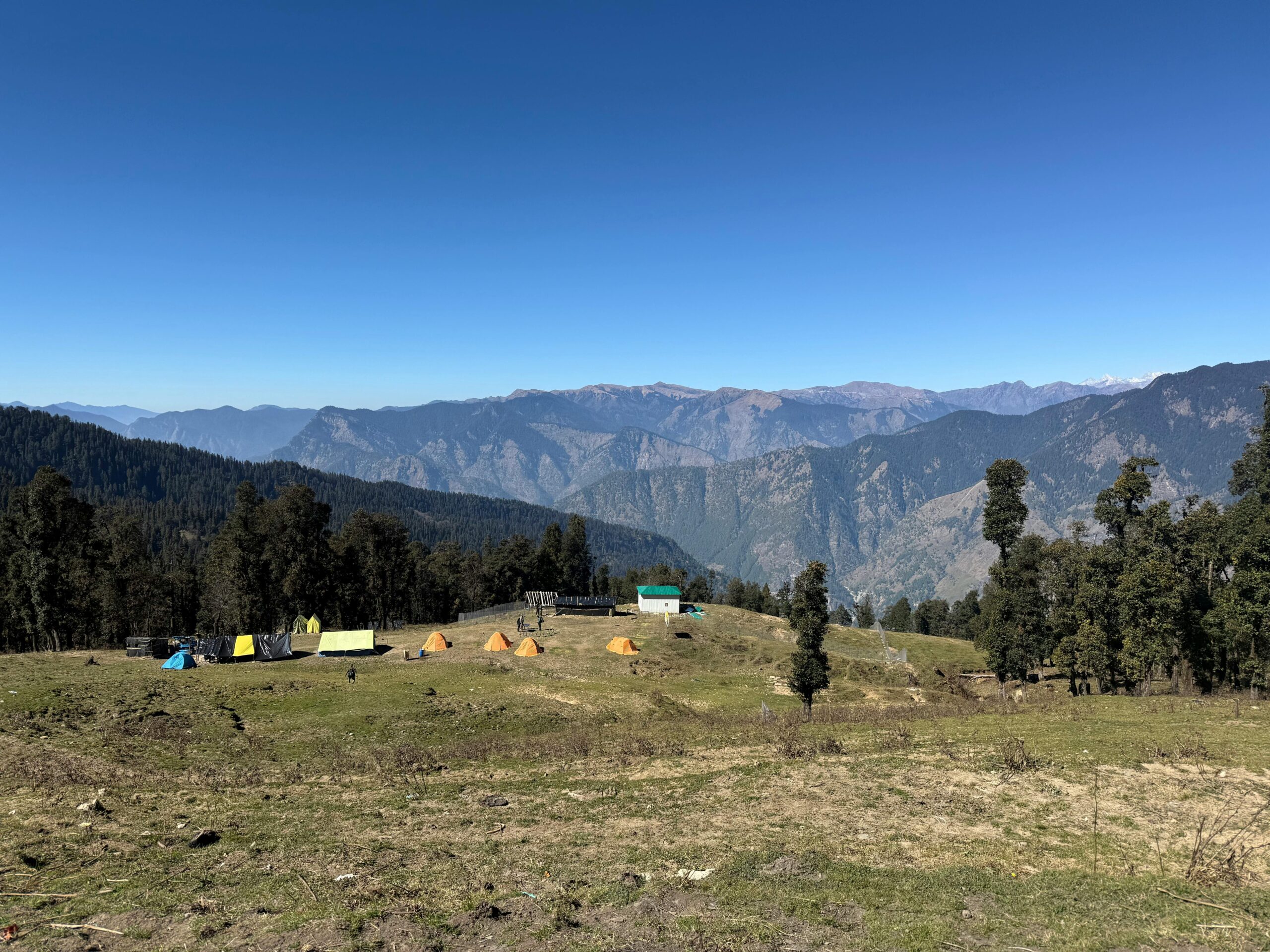
Authentic eco-spiritual retreats are situated in places of natural beauty and ecological integrity—forests, mountains, coastlines, or deserts where the presence of the wild remains palpable. The built environment typically reflects principles of sustainable design, using renewable materials, minimizing energy consumption, and integrating harmoniously with the landscape.
These spaces are designed to foster contemplation rather than distraction. Accommodations tend toward simplicity, removing unnecessary amenities while ensuring comfort. Common areas facilitate both community gathering and solitary reflection. The overall aesthetic reinforces values of simplicity, beauty, and respect for the natural world.
Diverse Contemplative Practices
Quality eco-spiritual retreats offer a variety of contemplative practices that help participants develop sustained awareness and presence. These might include:
- Sitting and walking meditation in natural settings
- Mindful movement practices like yoga, qigong, or dance
- Breathwork techniques for nervous system regulation
- Journaling and creative expression exercises
- Ritual and ceremony honoring natural cycles
- Silence periods for deep introspection
- Group sharing circles for community connection
The variety allows participants to discover practices that resonate personally while experiencing the synergy of multiple modalities working together.
Ecological Education and Action 🌍
Environmental literacy forms an essential component of eco-spiritual retreats. Participants learn about local ecosystems, conservation challenges, and sustainable living practices. This might include guided nature walks with ecological interpretation, permaculture workshops, lessons in plant identification, or discussions of environmental philosophy.
Many retreats incorporate hands-on environmental stewardship—tree planting, trail maintenance, invasive species removal, or organic gardening. These activities provide tangible ways to express care for the Earth while experiencing the satisfaction of meaningful contribution. The combination of contemplative practice and active service creates a powerful integration of being and doing.
Choosing Your Ideal Eco-Spiritual Retreat Experience
With the proliferation of retreat offerings, selecting the right experience requires careful consideration of several factors. Your ideal retreat aligns with your current needs, experience level, and authentic intentions rather than following trends or external expectations.
Clarifying Your Intentions
Begin by honestly assessing what you’re seeking. Are you primarily looking for rest and restoration? Deep spiritual inquiry? Community connection? Skills development in meditation or sustainable living? Healing from trauma or grief? Different retreats excel at different objectives, and clarity about your needs helps identify the best match.
Consider whether you’re drawn to silent retreats or those with more social interaction, structured schedules or open-ended exploration, specific spiritual traditions or eclectic approaches. There’s no universally “best” retreat—only the one that serves your particular journey at this moment.
Evaluating Authenticity and Values Alignment
Unfortunately, “eco” and “spiritual” have become marketing buzzwords that don’t always reflect genuine commitment. Investigate retreat centers’ actual environmental practices—energy sources, water conservation, waste management, food sourcing, and land stewardship. Authentic centers demonstrate transparency about their ecological impact and continuous improvement efforts.
Similarly, assess whether spiritual teachings are offered with integrity, cultural respect, and appropriate credentials. Be cautious of cultural appropriation or superficial engagement with sacred traditions. Quality retreats acknowledge their inspirations while avoiding the commodification of indigenous wisdom.
Practical Considerations and Accessibility
Evaluate practical factors including location accessibility, cost, duration, physical demands, and accommodation options. Many retreat centers offer sliding scale pricing, work-exchange opportunities, or scholarships to increase accessibility. Consider whether you’re ready for rustic conditions or need more comfort to fully relax.
If you have physical limitations, mental health considerations, or dietary restrictions, communicate these clearly when registering. Reputable centers will work with you to ensure appropriate accommodations or honestly inform you if the retreat isn’t suitable for your needs.
🧘 Preparing for Your Eco-Spiritual Journey
The retreat experience begins well before arrival. Thoughtful preparation maximizes the transformative potential while honoring your investment of time, energy, and resources.
Mental and Emotional Preparation
In the weeks before your retreat, begin creating spaciousness in your life. Reduce commitments, limit media consumption, and establish simple daily practices like brief meditation or nature walks. This gradual transition helps you arrive more present and receptive rather than bringing the full intensity of your busy life into the retreat space.
Set clear intentions for your time away. Write them down, perhaps in a journal you’ll bring with you. What do you hope to discover, release, or cultivate? How do you want to feel by the retreat’s end? What questions are alive in your heart? These intentions serve as guideposts without rigidly determining your experience.
Physical Preparation
If your retreat involves physical activities like hiking or yoga, ensure your body is adequately prepared. Begin or increase regular movement practices weeks in advance. Attend to any medical needs, gather necessary medications, and ensure you have appropriate clothing and footwear for the environment and activities.
Many eco-spiritual retreats involve dietary changes, often emphasizing plant-based, whole foods. Consider gradually shifting your diet beforehand to ease the transition and minimize physical adjustment during the retreat itself.
Integrating Retreat Insights Into Daily Life 🌱
The most significant challenge of any transformative retreat involves maintaining insights and practices once you return to ordinary life. Without intentional integration, the retreat can become merely a pleasant memory rather than a catalyst for lasting change.
Creating a Personal Integration Plan
Before leaving the retreat, dedicate time to identify specific practices, insights, or commitments you want to carry forward. Be realistic about what’s sustainable given your actual life circumstances. It’s better to maintain one or two meaningful practices consistently than to attempt wholesale life changes that quickly become overwhelming.
Consider establishing accountability through retreat friendships, local meditation groups, or environmental organizations. Regular connection with others who share your values reinforces commitment and provides support during challenging times.
Cultivating Ongoing Nature Connection
You don’t need to live in wilderness to maintain connection with nature. Find ways to invite the natural world into your daily life—morning bird watching, lunch breaks in parks, weekend hikes, indoor plants, nature photography, or citizen science projects. These touchstones keep the retreat’s eco-spiritual consciousness alive amid urban routines.
Establish regular “nature dates” with yourself—protected time for unstructured outdoor presence without phones, agendas, or goals beyond simply being attentive to the living world around you. These practices maintain the receptivity and wonder cultivated during your retreat.
The Ripple Effect: From Personal Transformation to Planetary Healing 🌊
Eco-spiritual retreats ultimately serve purposes larger than individual wellbeing. As participants return to their communities with expanded consciousness and renewed commitment, they become agents of cultural transformation and environmental stewardship.
This ripple effect manifests in countless ways—choosing plant-based foods, reducing consumption, supporting conservation efforts, educating others, making career changes aligned with values, or simply modeling more conscious, connected ways of being. The inner shift toward recognizing our fundamental interdependence with nature naturally expresses as more sustainable, compassionate choices.
Collectively, these individual transformations contribute to the larger cultural shift essential for addressing our environmental crises. As more people awaken to their identity as nature rather than as separate from it, the political will and social momentum for systemic change strengthens. Personal transformation and planetary healing become inseparable dimensions of a single evolutionary movement.
Your Invitation to Sacred Connection
Eco-spiritual retreats represent invitations to remember what you’ve always known but perhaps forgotten—that you are an integral part of the living Earth, that your wellbeing and the planet’s health are inseparable, and that the path to inner peace leads through reconnection with the natural world.
Whether you’re experiencing burnout, seeking deeper meaning, yearning for community, or feeling called to environmental action, these retreats offer supportive containers for transformation. They provide temporary refuge from the demands of ordinary life while equipping you with practices and perspectives that enrich your return.
The journey toward harmony with ourselves and our planet doesn’t require perfection or dramatic gestures. It asks only for presence, sincerity, and willingness to listen—to the wisdom of our bodies, the stirrings of our hearts, and the voice of the Earth itself. Eco-spiritual retreats create ideal conditions for this deep listening, offering experiences that can reorient entire lives toward greater authenticity, purpose, and joy.
As you consider embarking on your own eco-spiritual journey, trust the longing that brought you to this exploration. That yearning for connection, meaning, and wholeness is itself a form of guidance—nature calling you home to yourself and to your rightful place within the community of life. The path of eco-spiritual practice doesn’t lead away from the world but deeper into it, discovering that the peace you seek and the planet you inhabit are ultimately one seamless, sacred whole. 🌿✨