Education holds the key to shaping a sustainable future, where young minds learn to value environmental stewardship, social responsibility, and economic balance for generations to come.

🌱 The Foundation of Sustainable Thinking in Modern Education
The world faces unprecedented environmental challenges, from climate change to resource depletion, biodiversity loss to pollution crises. These complex issues demand more than technological solutions—they require a fundamental shift in how we think, act, and relate to our planet. Education serves as the most powerful catalyst for this transformation, offering opportunities to cultivate sustainable mindsets from early childhood through adulthood.
Sustainable education goes beyond teaching facts about recycling or conservation. It encompasses a holistic approach that integrates environmental literacy, critical thinking, systems understanding, and values formation. When implemented effectively, it empowers learners to become active agents of change rather than passive recipients of information.
Research consistently demonstrates that early exposure to sustainability concepts creates lasting behavioral patterns. Children who engage with environmental education show increased pro-environmental attitudes, greater ecological awareness, and stronger intentions to adopt sustainable practices throughout their lives. This ripple effect extends beyond individual behavior, influencing families, communities, and eventually society at large.
Building Blocks: Core Components of Sustainability Education
Environmental Literacy and Ecological Understanding 🌍
Environmental literacy forms the cornerstone of sustainable mindsets. Students need to understand basic ecological principles: how ecosystems function, the interdependence of species, nutrient cycles, energy flows, and the delicate balance that sustains life on Earth. This knowledge provides context for understanding human impacts and the consequences of unsustainable practices.
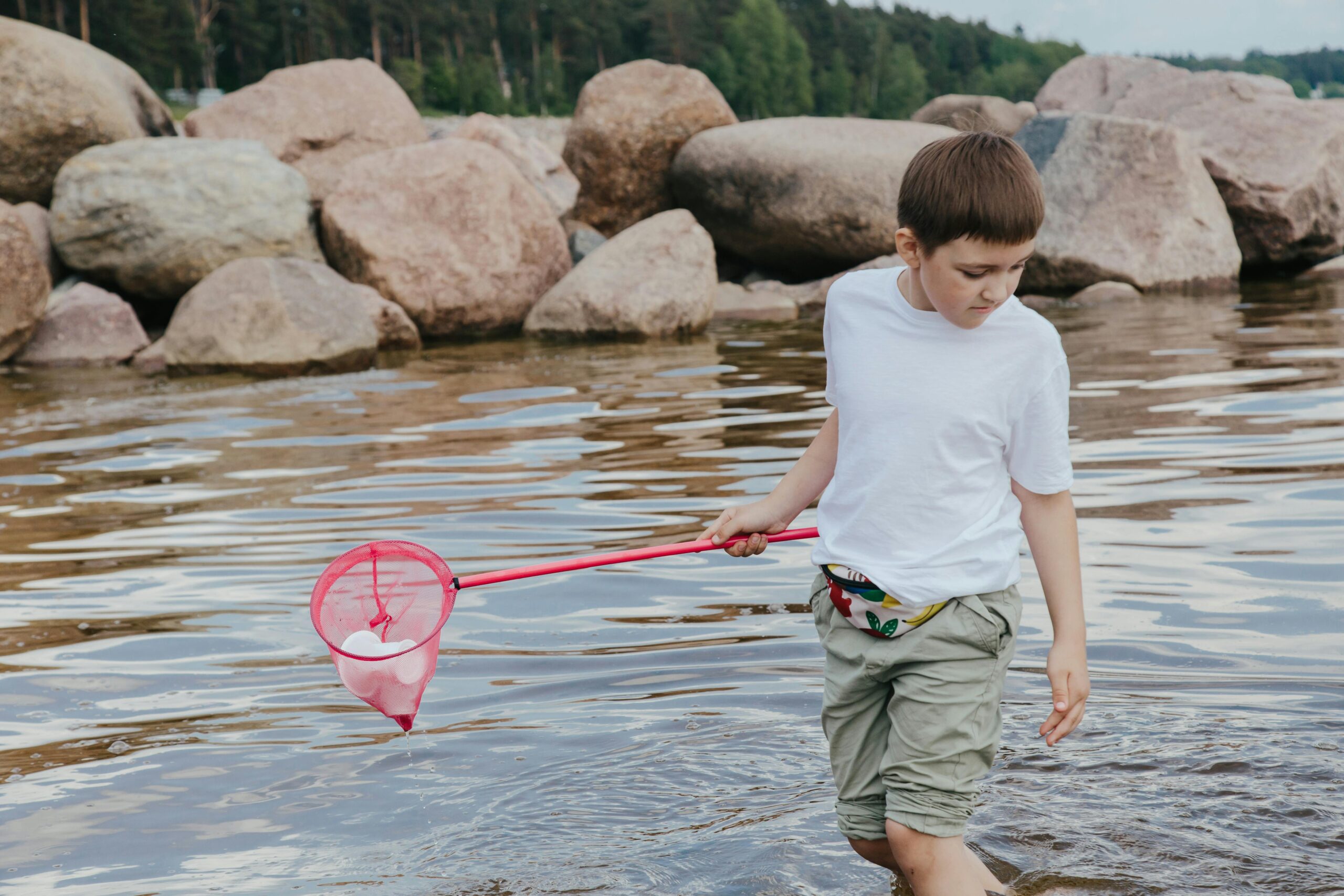
Effective environmental education moves beyond classroom lectures to include hands-on experiences. School gardens, nature walks, field trips to ecosystems, and citizen science projects transform abstract concepts into tangible realities. When students plant seeds, observe wildlife, or monitor water quality, they develop personal connections to the natural world that textbooks alone cannot provide.
Systems Thinking and Interconnectedness
Sustainability challenges are inherently complex, involving multiple interconnected systems. Education must help learners develop systems thinking skills—the ability to see patterns, understand feedback loops, recognize unintended consequences, and appreciate how actions in one area affect outcomes in others.
For example, students exploring food systems might examine agricultural practices, transportation networks, energy use, water consumption, waste generation, economic impacts, and social justice issues. This integrated approach reveals how environmental, social, and economic dimensions intertwine, preparing students to address real-world complexity rather than isolated problems.
Critical Thinking and Problem-Solving Capabilities
Sustainable mindsets require critical analysis of information, questioning assumptions, evaluating evidence, and considering multiple perspectives. In an era of misinformation and greenwashing, these skills are essential for navigating sustainability claims and making informed decisions.
Project-based learning provides excellent opportunities for developing these competencies. When students tackle authentic sustainability challenges—reducing school waste, improving energy efficiency, or addressing local environmental issues—they engage in research, analysis, planning, implementation, and reflection. These experiences build confidence and competence as change-makers.
🎓 Pedagogical Approaches That Transform Mindsets
Experiential and Place-Based Learning
The most effective sustainability education connects learners to their local environment and community. Place-based education uses the local area as an integrated context for learning across disciplines. Students might study local waterways to learn science, history, economics, and civic engagement simultaneously.
This approach offers multiple benefits: it makes learning relevant and engaging, fosters sense of place and belonging, builds community connections, and empowers students to address local issues. When young people see themselves as valuable contributors to their community’s wellbeing, they develop agency and efficacy that extend throughout their lives.
Whole-School Approaches to Sustainability
Sustainability education achieves maximum impact when integrated throughout the entire school culture rather than confined to specific subjects. Whole-school approaches align curriculum, campus operations, community partnerships, and organizational culture around sustainability principles.
In sustainable schools, students might participate in energy monitoring, manage composting systems, maintain organic gardens, lead zero-waste initiatives, or advocate for sustainable policies. The school building itself becomes a learning laboratory, demonstrating principles through solar panels, rainwater harvesting, green spaces, and sustainable design features.
Interdisciplinary Integration Across Subjects
Sustainability themes connect naturally across traditional subject boundaries. Science classes explore ecosystems and climate science. Mathematics applies to carbon footprint calculations and statistical analysis of environmental data. Literature examines human-nature relationships through diverse cultural perspectives. History investigates how societies have managed or mismanaged resources over time. Arts provide creative outlets for environmental expression and advocacy.
This interdisciplinary approach reinforces learning, demonstrates real-world relevance, and helps students see sustainability as a lens through which to understand the world rather than an isolated topic.
Digital Tools and Technology in Sustainability Education 📱
Technology offers powerful opportunities to enhance sustainability education. Digital platforms provide access to real-time environmental data, virtual field trips to remote ecosystems, collaboration with global peers, and tools for tracking and visualizing environmental impacts.
Mobile applications enable students to identify species, monitor air and water quality, calculate carbon footprints, track sustainable habits, and connect with environmental communities. Simulation tools allow exploration of complex systems and scenarios, helping learners understand long-term consequences of different choices.
However, technology should complement rather than replace direct experience with nature. The goal is balanced integration that leverages digital tools’ strengths while maintaining essential hands-on engagement with the physical environment.
🌟 Developing Values, Ethics, and Emotional Intelligence
Cultivating Environmental Values and Care
Sustainable mindsets rest on foundational values: respect for nature, concern for future generations, commitment to equity, appreciation for diversity, and responsibility toward the common good. Education must address the affective domain—feelings, attitudes, values, and motivations—not just cognitive knowledge.
Nature connection experiences play a crucial role in values formation. Time spent in nature, especially during childhood, correlates strongly with environmental concern and pro-environmental behavior in adulthood. Schools can facilitate these connections through outdoor education, school gardens, wilderness experiences, and simply providing opportunities for unstructured nature play.
Addressing Eco-Anxiety and Building Hope
As awareness of environmental crises grows, many young people experience eco-anxiety—distress related to environmental threats. While education must honestly address sustainability challenges, it must also provide hope, agency, and pathways for action.
Solution-oriented approaches that highlight success stories, innovative solutions, and opportunities for meaningful contribution help students feel empowered rather than overwhelmed. Engaging in concrete actions—no matter how small—builds efficacy and resilience while creating positive change.
From Individual Actions to Collective Impact 🤝
Social Learning and Community Engagement
Sustainable mindsets develop not in isolation but through social interaction. Collaborative projects, peer learning, community partnerships, and intergenerational exchanges enrich understanding and motivation. When students work together toward shared sustainability goals, they develop teamwork, communication, and leadership skills alongside environmental competencies.
Community engagement projects extend learning beyond school walls, connecting students with local organizations, businesses, government agencies, and community members. These partnerships provide authentic audiences for student work, access to expertise and resources, and opportunities to make tangible contributions to community sustainability.
Youth Voice and Leadership Development
Young people bring fresh perspectives, creativity, and passion to sustainability challenges. Education should create spaces for youth voice, leadership, and advocacy. Student-led initiatives, youth councils, environmental clubs, and activism opportunities help young people develop as confident, capable change agents.
When students see their ideas valued and implemented—whether improving school practices, influencing local policies, or inspiring broader movements—they internalize their power to create change. This empowerment extends beyond environmental issues, fostering engaged citizenship across domains.
🌐 Global Citizenship and Cultural Perspectives
Understanding Interconnected Global Systems
Sustainability challenges transcend national boundaries, requiring global cooperation and perspective. Education should help students understand their place in global systems, recognize how their actions connect to distant people and places, and appreciate diverse cultural approaches to human-environment relationships.
Global learning experiences—whether through digital exchanges, international partnerships, or examination of global case studies—broaden perspectives and foster empathy. Students learn that sustainability solutions must respect cultural diversity, traditional knowledge, and varying contexts rather than imposing one-size-fits-all approaches.
Equity, Justice, and Inclusive Sustainability
Sustainability education must address justice dimensions: environmental burdens disproportionately affect marginalized communities, climate change impacts vary by wealth and geography, and access to resources remains deeply unequal. Understanding these justice issues is essential for developing truly sustainable mindsets.
Inclusive education examines multiple perspectives, centers marginalized voices, questions power structures, and considers how sustainability solutions can promote equity rather than perpetuate injustice. This critical approach prepares students to work toward sustainability that benefits all people and communities.
Assessment and Evaluation: Measuring Mindset Development 📊
Assessing sustainable mindsets requires moving beyond traditional testing to capture knowledge, skills, attitudes, values, and behaviors. Authentic assessment methods include portfolios documenting growth over time, performance assessments demonstrating real-world application, self-reflection on values and practices, and tracking of sustained behavioral changes.
Schools might evaluate their sustainability education programs through student surveys measuring environmental attitudes, audits of student behaviors and school practices, community feedback on student contributions, and longitudinal tracking of graduate engagement in sustainability efforts.
Teacher Preparation and Professional Development 👩🏫
Educators themselves need preparation and support to effectively cultivate sustainable mindsets. Teacher education programs should integrate sustainability competencies, providing future teachers with environmental literacy, pedagogical strategies, and confidence to address sustainability themes.
Ongoing professional development helps current teachers stay updated on sustainability issues, learn new teaching approaches, access quality resources, and connect with educator networks. When teachers embody sustainable practices and mindsets themselves, they model authenticity that resonates with students.
Overcoming Barriers and Scaling Impact 🚀
Common Implementation Challenges
Despite widespread recognition of sustainability education’s importance, implementation faces obstacles: crowded curricula with limited flexibility, insufficient teacher training and confidence, lack of resources and materials, standardized testing pressures, and sometimes political controversy around environmental topics.
Successful programs address these barriers through administrative support, strategic curriculum integration rather than addition, resource sharing and collaboration, community partnerships that provide expertise and funding, and focus on locally relevant, action-oriented approaches that build broad support.
Policy Support and Systemic Change
Scaling sustainability education requires supportive policies at school, district, regional, and national levels. Progressive education systems are incorporating sustainability as a cross-curricular priority, integrating it into standards and assessments, providing dedicated funding and resources, and supporting teacher professional development.
Advocacy from educators, students, parents, and community members helps move sustainability education from margin to mainstream, ensuring all learners develop the mindsets needed for a sustainable future.
The Ripple Effect: Long-Term Impact and Future Horizons 🌊
The true measure of sustainability education appears over time, as educated generations enter careers, make family decisions, participate in civic life, and lead organizations. Research tracking former environmental education participants shows lasting effects: increased environmental knowledge and concern, higher rates of pro-environmental behavior, greater civic engagement, and career choices aligned with sustainability values.
As climate urgency intensifies and sustainability challenges evolve, education must continue adapting. Emerging frontiers include integrating artificial intelligence and data science for environmental monitoring, exploring regenerative approaches that go beyond sustainability to restoration, addressing new challenges like plastic pollution and biodiversity loss, and preparing for climate adaptation alongside mitigation.
The investment in sustainability education today shapes the leaders, citizens, professionals, and decision-makers of tomorrow. Every student who develops a sustainable mindset becomes a multiplier, influencing peers, family members, colleagues, and communities throughout their lifetime. This ripple effect offers our greatest hope for navigating toward a truly sustainable future.
Education for sustainability is not merely about teaching environmental facts or promoting recycling. It represents a fundamental reimagining of education’s purpose: developing thoughtful, capable, compassionate individuals who understand their interconnection with all life, think critically about complex challenges, and act with wisdom to create a flourishing world for current and future generations. This transformation begins in classrooms, gardens, and communities today, empowering the future one learner at a time.