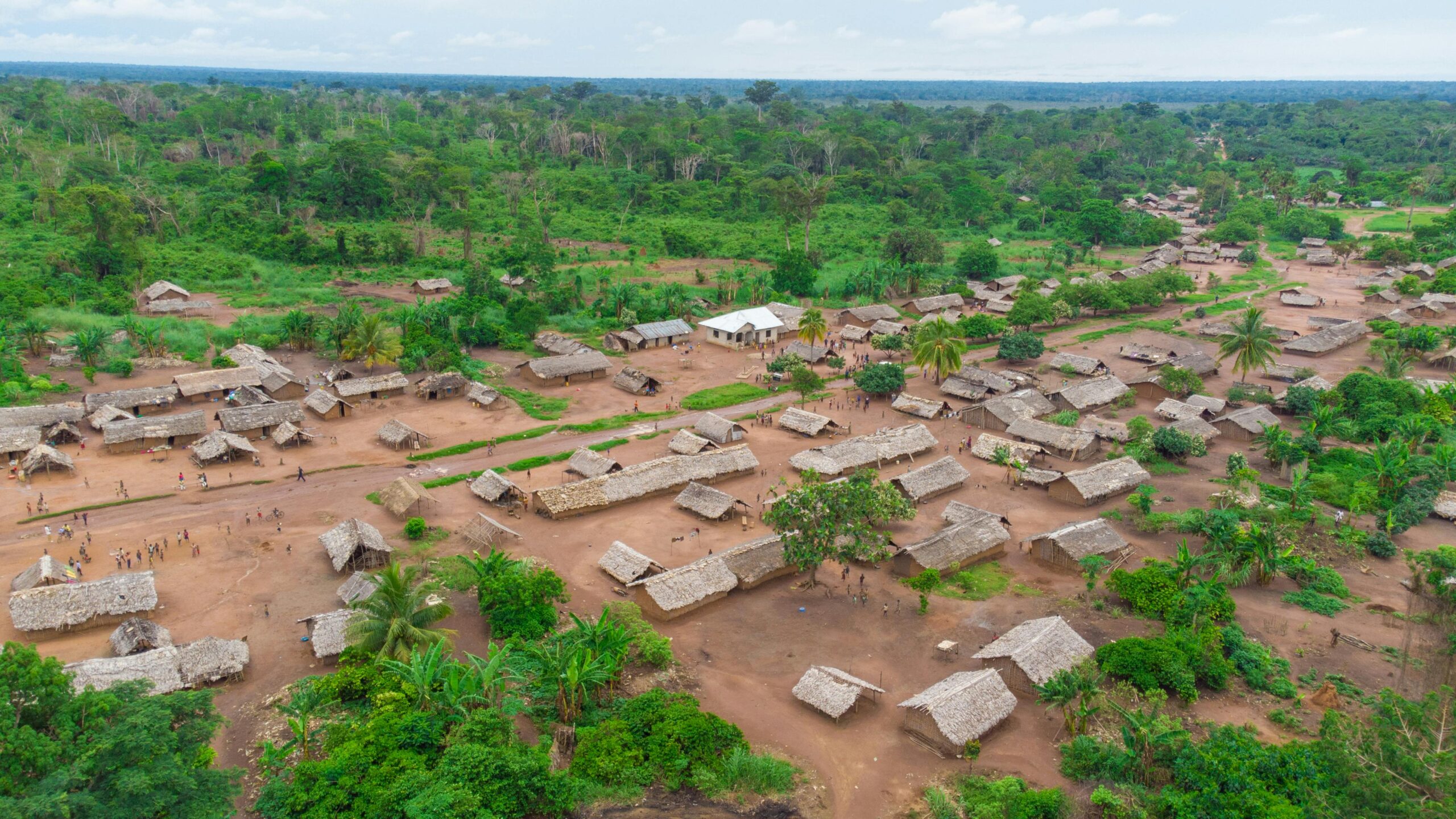
Nature’s delicate equilibrium faces unprecedented challenges in our rapidly evolving world, making the pursuit of environmental harmony more critical than ever before for our planet’s survival.

🌍 Understanding the Foundation of Natural Balance
The concept of elemental balance in nature extends far beyond simple environmental conservation. It represents a complex web of interconnected systems where water, air, earth, and energy coexist in a delicate dance that sustains all life forms. This intricate relationship has evolved over millions of years, creating ecosystems that are both resilient and fragile.
When we speak of harmony in nature, we’re addressing the fundamental principles that govern our planet’s ability to regenerate, heal, and provide for countless species. Every element plays a crucial role in maintaining this equilibrium, from the smallest microorganism in the soil to the vast oceanic currents that regulate global temperatures.
The disruption of this natural balance has become increasingly evident through climate change, biodiversity loss, and resource depletion. Understanding these elemental connections is the first step toward implementing sustainable practices that can restore and maintain environmental harmony for generations to come.
The Four Pillars of Environmental Sustainability
💧 Water: The Essence of Life
Water represents the foundation of all terrestrial life, covering approximately 71% of Earth’s surface. However, only 2.5% of this vast resource is freshwater, and much of that remains locked in glaciers and ice caps. The sustainable management of water resources has become a paramount concern for modern society.
Watershed protection, rainwater harvesting, and efficient irrigation systems are becoming essential practices in maintaining water balance. Communities worldwide are implementing innovative solutions such as constructed wetlands, permeable pavements, and greywater recycling systems to preserve this precious resource.
The contamination of water sources through industrial pollution, agricultural runoff, and plastic waste poses significant threats to aquatic ecosystems. Addressing these challenges requires comprehensive strategies that combine technological innovation with behavioral changes at individual and collective levels.
🌬️ Air: The Breath of Our Planet
Atmospheric balance is crucial for maintaining stable climate patterns and supporting life on Earth. The composition of our atmosphere, particularly the concentration of greenhouse gases, directly impacts global temperatures and weather systems. Human activities have significantly altered this delicate balance, leading to unprecedented environmental changes.
Reducing carbon emissions, protecting forests that act as carbon sinks, and transitioning to renewable energy sources are vital steps toward restoring atmospheric equilibrium. Urban planning that prioritizes green spaces, promotes public transportation, and reduces vehicle emissions contributes significantly to air quality improvement.
Indoor air quality also deserves attention, as people spend approximately 90% of their time indoors. Utilizing natural ventilation, incorporating air-purifying plants, and minimizing the use of volatile organic compounds in building materials can create healthier living environments while reducing environmental impact.
🌱 Earth: The Ground Beneath Our Feet
Soil health forms the foundation of terrestrial ecosystems and agricultural productivity. This living system contains billions of microorganisms that decompose organic matter, cycle nutrients, and support plant growth. Sustainable land management practices are essential for maintaining soil fertility and preventing degradation.
Regenerative agriculture, composting, and minimal tillage practices help restore soil health while sequestering carbon. These methods work with natural processes rather than against them, creating productive systems that enhance rather than deplete the land. The integration of crop rotation, cover cropping, and organic amendments builds soil structure and biodiversity.
Deforestation and urbanization continue to threaten natural landscapes, reducing biodiversity and disrupting ecological processes. Protecting existing forests, restoring degraded lands, and implementing sustainable forestry practices are critical components of achieving elemental balance. Every hectare of preserved forest contributes to climate regulation, water filtration, and habitat conservation.
⚡ Energy: The Force that Drives Everything
Energy flows through ecosystems in complex patterns, from solar radiation captured by plants through photosynthesis to the food chains that sustain all life. Human energy consumption has grown exponentially, primarily relying on fossil fuels that disrupt natural carbon cycles and contribute to climate change.
Transitioning to renewable energy sources such as solar, wind, hydroelectric, and geothermal power represents a fundamental shift toward sustainability. These technologies harness natural energy flows without depleting finite resources or producing harmful emissions. Distributed energy generation and smart grid technologies make renewable energy more accessible and efficient.
Energy efficiency improvements across all sectors reduce overall consumption and environmental impact. From LED lighting and energy-efficient appliances to passive solar design and improved insulation, numerous strategies exist for minimizing energy waste while maintaining quality of life.
🔄 The Circular Economy: Closing the Loop
Moving away from the traditional linear economy model of take-make-dispose requires reimagining how we produce, consume, and manage resources. The circular economy framework emphasizes waste reduction, material reuse, and regenerative design principles that mimic natural cycles.
In natural ecosystems, waste from one organism becomes food for another, creating closed-loop systems where nothing is truly wasted. Applying these principles to human systems involves designing products for longevity, repairability, and recyclability. Companies are increasingly adopting circular business models that prioritize product-as-a-service approaches and take-back programs.
Composting organic waste, recycling materials, and upcycling products extend their useful life and reduce demand for virgin resources. Communities implementing comprehensive waste management systems demonstrate that significant waste reduction is achievable through proper infrastructure and public engagement.
Technology as an Enabler of Sustainability 📱
Modern technology offers unprecedented opportunities for monitoring environmental conditions, optimizing resource use, and connecting people with sustainable solutions. Remote sensing, artificial intelligence, and big data analytics help scientists understand complex environmental systems and predict changes with greater accuracy.
Smart home technologies enable individuals to monitor and reduce their energy and water consumption through real-time feedback and automated controls. Mobile applications help people make sustainable choices by providing information about product environmental impacts, facilitating carpooling, or connecting consumers with local farmers and second-hand markets.
Blockchain technology is being explored for supply chain transparency, ensuring that products meet sustainability standards and supporting fair trade practices. Digital platforms facilitate the sharing economy, reducing the need for individual ownership of infrequently used items and maximizing resource efficiency.
🏘️ Building Sustainable Communities
Creating sustainable communities requires integrated approaches that address social, economic, and environmental dimensions simultaneously. Urban planning that prioritizes walkability, mixed-use development, and access to green spaces enhances quality of life while reducing environmental footprints.
Community gardens and urban agriculture initiatives strengthen local food systems, reduce transportation emissions, and create green spaces that improve air quality and provide habitat for pollinators and other wildlife. These projects also build social connections and food security within neighborhoods.
Participatory approaches that involve residents in decision-making processes ensure that sustainability initiatives address local needs and values. Community-based organizations play crucial roles in educating residents, organizing collective action, and advocating for policies that support environmental protection and social equity.
The Role of Individual Action in Collective Change 🌟
While systemic changes are essential for achieving sustainability at scale, individual actions collectively create significant impact. Conscious consumption choices, such as reducing meat intake, buying locally produced goods, and minimizing single-use plastics, directly influence market demands and production practices.
Lifestyle changes that reduce environmental footprints include choosing active transportation or public transit, reducing home energy consumption, and supporting businesses with strong environmental commitments. These choices not only benefit the environment but often improve personal health and financial well-being.
Education and awareness-raising within personal networks amplify individual impact by inspiring others to adopt sustainable practices. Sharing knowledge, experiences, and resources creates ripple effects that extend far beyond single households or individuals.
Policy Frameworks and Institutional Support 📋
Effective environmental policy provides the framework within which sustainable practices can flourish. Governments at all levels play crucial roles in setting standards, providing incentives for sustainable behaviors, and regulating activities that harm environmental quality.
Carbon pricing mechanisms, renewable energy subsidies, and protected area designations are examples of policy tools that drive sustainability transitions. International agreements like the Paris Climate Accord demonstrate the importance of coordinated action on global environmental challenges.
Corporate sustainability reporting requirements and environmental impact assessments ensure that businesses consider ecological consequences in their operations. Financial institutions increasingly incorporate environmental, social, and governance criteria into investment decisions, directing capital toward sustainable enterprises.
🌺 Biomimicry: Learning from Nature’s Wisdom
Nature has refined solutions to complex challenges over billions of years of evolution, offering invaluable lessons for sustainable design. Biomimicry involves studying natural systems and processes to inspire innovations that solve human problems while minimizing environmental impact.
Examples include building designs inspired by termite mounds for natural climate control, water collection systems based on desert beetles, and adhesives modeled after gecko feet. These nature-inspired innovations often prove more efficient and less resource-intensive than conventional approaches.
Agricultural systems that mimic natural ecosystems, such as permaculture and agroforestry, create productive landscapes that build soil health, support biodiversity, and require fewer external inputs. These approaches demonstrate that human activities can enhance rather than degrade natural systems when properly designed.
Measuring Progress Toward Sustainability Goals 📊
Establishing clear metrics and monitoring systems helps track progress toward sustainability objectives and identify areas requiring additional attention. The United Nations Sustainable Development Goals provide a comprehensive framework for measuring social, economic, and environmental progress globally.
Ecological footprint calculations, carbon accounting, and life cycle assessments quantify environmental impacts across different scales. These tools help individuals, organizations, and governments understand their resource consumption patterns and identify opportunities for improvement.
Regular reporting and transparency about sustainability performance create accountability and drive continuous improvement. Benchmarking against best practices and celebrating successes motivates ongoing commitment to environmental stewardship.
🌈 Embracing Hope and Taking Action
Despite significant environmental challenges, numerous success stories demonstrate that positive change is possible when communities, businesses, and governments commit to sustainability. Restored ecosystems, declining pollution levels in specific regions, and growing adoption of renewable energy technologies provide evidence that human societies can change course.
The growing global movement for environmental justice recognizes that sustainability must address social equity alongside ecological concerns. Environmental problems disproportionately affect vulnerable populations, and solutions must ensure that benefits are shared equitably across all communities.
Youth activism and increasing public awareness about environmental issues create momentum for transformative change. Each generation has the opportunity to leave the planet in better condition than they found it, but this requires deliberate choices and sustained commitment to sustainable principles.

Weaving Together the Threads of Change 🧵
Achieving harmony in nature and building a sustainable future requires integrating multiple approaches across different scales and sectors. No single solution addresses all environmental challenges, but the combination of technological innovation, policy reform, individual action, and systemic change creates powerful synergies.
The transition to sustainability represents both a challenge and an opportunity to create more resilient, equitable, and thriving societies. By working with natural systems rather than against them, we can meet human needs while restoring and maintaining the elemental balance that supports all life on Earth.
The path forward demands courage, creativity, and collaboration across boundaries of geography, discipline, and ideology. Every action taken toward sustainability contributes to the larger transformation needed to secure a greener future for current and future generations. The time to act is now, and each of us has a role to play in creating harmony between human activities and the natural world.