
In a world increasingly disconnected from nature, reconnecting with the four classical elements offers a powerful pathway to inner balance, spiritual renewal, and holistic well-being. ✨

The ancient understanding of earth, air, fire, and water as fundamental forces shaping our existence transcends cultural boundaries. From Greek philosophy to Eastern traditions, indigenous wisdom to modern holistic practices, these elements have served as mirrors reflecting our internal states and guides toward harmony. When we consciously engage with elemental energies through intentional connection practices, we open ourselves to profound transformation that touches every aspect of our lives—physical, emotional, mental, and spiritual.
The concept of elemental harmony isn’t merely symbolic or metaphorical. Scientific research increasingly validates what ancestral wisdom has always known: our well-being is intimately connected to our relationship with the natural world. Studies on grounding (earth contact), breathwork (air practices), sunlight exposure (fire connection), and hydrotherapy (water healing) demonstrate measurable benefits ranging from reduced inflammation to improved mental health outcomes.
🌍 Grounding Into Earth: The Foundation of Stability
Earth represents stability, nourishment, grounding, and physical manifestation. When we feel scattered, anxious, or disconnected from our bodies, earth practices restore our foundation and bring us back to center. The element of earth teaches us about patience, growth cycles, and the wisdom of slowing down.
One of the most accessible earth connection practices is barefoot walking, also known as earthing or grounding. This simple act of placing bare skin against the earth’s surface allows for the transfer of electrons from the ground into your body, which research suggests can reduce inflammation, improve sleep quality, and decrease stress hormones. Walking on grass, sand, soil, or even concrete (which remains somewhat conductive when damp) for just 20-30 minutes daily can create noticeable shifts in your energy and mood.
Gardening offers another profound way to harmonize with earth energy. The act of touching soil, planting seeds, nurturing growth, and harvesting abundance connects us directly to life cycles and the patient unfolding of natural processes. Even without outdoor space, tending indoor plants or creating a small herb garden on a windowsill can satisfy this elemental need for earth connection.
Embodied Earth Practices for Daily Life
Beyond literal contact with soil and ground, earth practices include any activity that strengthens your relationship with your physical body and creates a sense of rootedness. Yoga, particularly grounding poses like mountain pose, child’s pose, and warrior stances, helps cultivate earth energy within your being.
Mindful eating represents another earth practice, especially when you choose whole foods grown in soil—root vegetables, grains, nuts, and seeds. Taking time to appreciate where your food comes from, how it grew, and the earth that nourished it transforms meals into elemental connection rituals.
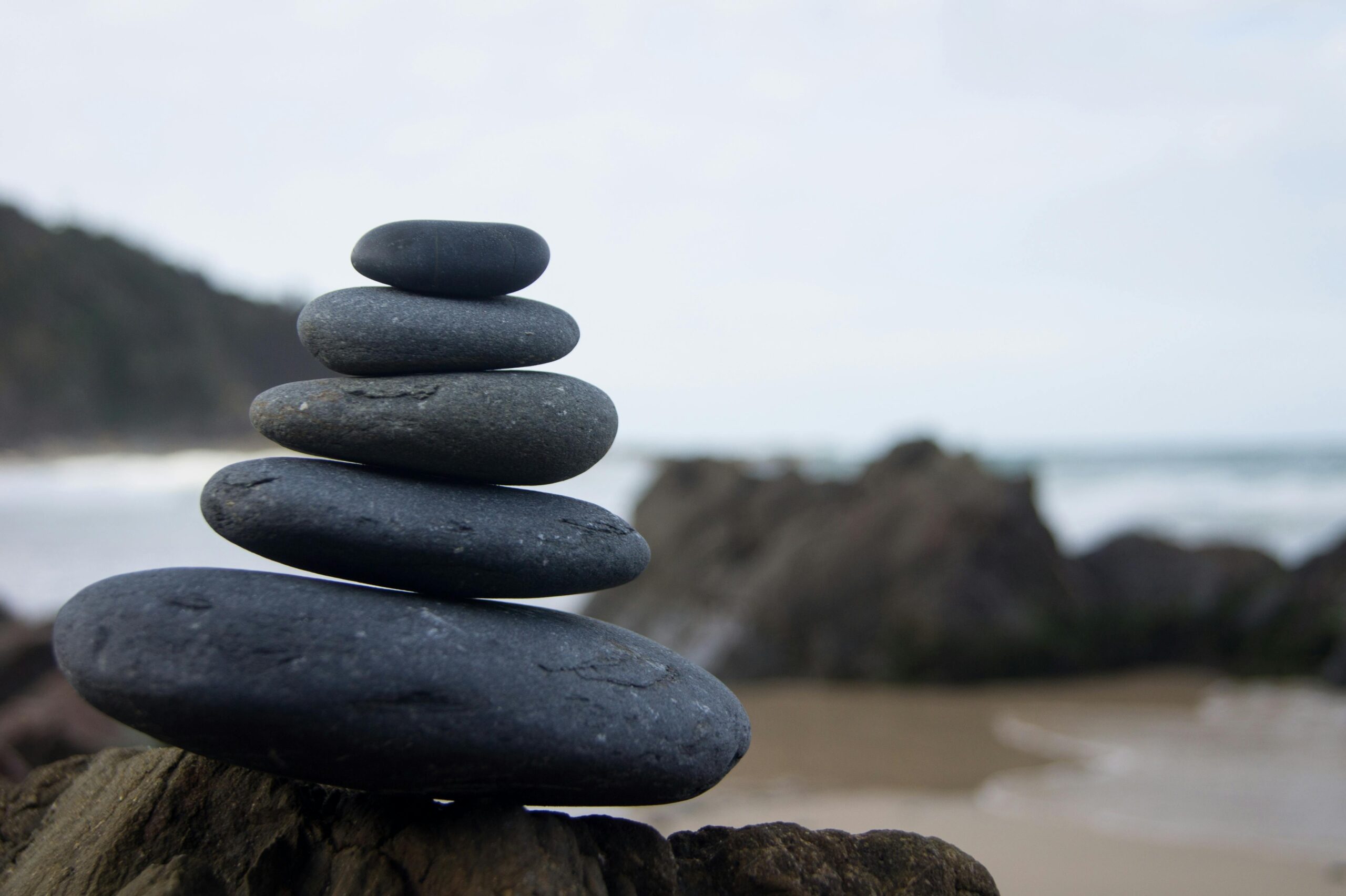
Creating an earth altar or sacred space with stones, crystals, plants, and natural objects provides a focal point for meditation and intention-setting. Simply holding a smooth stone while breathing deeply can serve as a quick grounding technique during moments of stress or overwhelm.
💨 Breathing With Air: The Essence of Clarity
Air governs the mental realm—thoughts, communication, perspective, and the breath that sustains our very existence. When our minds feel cluttered, when anxiety grips us, or when we need fresh perspective, air practices clear the fog and restore mental clarity.
Conscious breathwork stands as the most direct gateway to air element harmony. Our breath operates at the intersection of conscious and unconscious processes, offering a bridge between body and mind, voluntary and involuntary systems. By intentionally working with breath, we gain access to powerful self-regulation tools.
The simple practice of observing your natural breath without changing it—watching the inhale and exhale, noticing the pauses between breaths—cultivates present-moment awareness and calms the nervous system. This foundational practice costs nothing, requires no equipment, and can be done anywhere, anytime.
Breathwork Techniques for Balance and Renewal
Different breathing patterns create different effects, allowing you to work with air element intentionally based on your needs:
- Box Breathing (4-4-4-4): Inhale for four counts, hold for four, exhale for four, hold for four. This balanced pattern calms anxiety and enhances focus.
- Extended Exhale (4-6 or 4-8): Breathing out longer than breathing in activates the parasympathetic nervous system, signaling safety and relaxation.
- Energizing Breath: Quick, forceful exhales through the nose while passively allowing inhales creates alertness and vitality.
- Alternate Nostril Breathing: This yogic technique balances left and right brain hemispheres while promoting calm clarity.
Beyond formal breathwork, spending time in fresh, moving air—near open windows, in breezy outdoor spaces, or on elevated locations—naturally harmonizes your air element. Notice how different qualities of air affect you: the crisp clarity of mountain air, the ionic richness near waterfalls, the salt-laden breath of ocean breezes.
Sound and voice also belong to the air element. Chanting, singing, speaking affirmations, or simply sighing fully releases stagnant energy and invites fresh perspective. The vibration of sound moving through air and resonating in your body creates a tangible connection to this element.
🔥 Igniting Fire: The Catalyst of Transformation
Fire represents transformation, passion, willpower, purification, and the vital life force that animates all living beings. When we feel stuck, lacking motivation, or in need of release and renewal, fire practices reignite our inner spark and burn away what no longer serves us.
The most obvious fire connection comes through actual flames—candles, campfires, fireplaces. There’s something primally satisfying about gazing into fire, watching its ever-changing dance. Fire meditation, where you softly focus on a candle flame, simultaneously calms and energizes, training concentration while connecting you to transformation energy.
Sunlight exposure serves as our primary connection to fire element energy. The sun quite literally powers nearly all life on Earth, and our bodies require regular sun contact for vitamin D synthesis, circadian rhythm regulation, mood enhancement, and countless other processes. Morning sunlight particularly helps set healthy sleep-wake cycles and boost serotonin production.
Movement and Metabolism: Fire Within
Fire lives within your body as metabolism—the cellular combustion that transforms food into energy. Practices that stimulate metabolic fire include vigorous movement, cardiovascular exercise, strength training, and dynamic yoga styles. When you move until you feel warmth spreading through your body, sweat forming, heart rate elevated, you’re stoking your internal fire.
Certain foods and spices also kindle inner fire: ginger, cayenne, cinnamon, turmeric, and warming meals that require digestive “heat” to process. The Ayurvedic concept of agni (digestive fire) recognizes that strong metabolism extends beyond calories to encompass our ability to digest experiences, emotions, and ideas.
Creative expression channels fire energy constructively. Whether through art, writing, music, dance, or any creative outlet, you give form to the transformative passion that fire represents. The act of creation itself mirrors fire’s essential nature—taking raw materials and transforming them into something new.
Purification Through Fire Practices
Fire’s purifying quality manifests in release rituals. Writing what you wish to let go of on paper and safely burning it provides powerful symbolic closure. The smoke rising and dissipating mirrors the release of old patterns, while the ash represents the fertile ground from which new growth emerges.
Heat therapy—saunas, steam rooms, warm baths—induces cleansing through sweating and increased circulation. These practices have been valued across cultures for centuries, from Scandinavian saunas to Native American sweat lodges, recognizing fire’s power to purify on physical and energetic levels.
💧 Flowing With Water: The Path of Emotional Healing
Water governs the emotional realm, intuition, adaptability, and the subconscious depths. When emotions feel stuck, when we need to cultivate flexibility, or when we seek to access deeper wisdom, water practices offer fluidity and healing.
The simple act of drinking water mindfully—pausing to appreciate this life-giving substance, feeling it move through your body, recognizing your cells being hydrated—creates elemental connection. Most people remain chronically dehydrated, which affects not just physical function but mood, mental clarity, and energy levels.
Immersion in water provides one of the most immediate ways to harmonize with this element. Swimming, bathing, floating, or even standing in rain allows water to literally surround you, supporting your body while inviting emotional release. Water’s buoyancy reduces physical tension while its flowing nature encourages emotional fluidity.
Water Rituals for Emotional Balance
Creating intentional water rituals transforms ordinary activities into healing practices. A morning shower becomes a cleansing ceremony when you visualize stress, worry, or negativity washing away down the drain. Adding Epsom salts, essential oils, or herbs to baths creates therapeutic experiences that soothe body, mind, and spirit.
Spending time near water—oceans, rivers, lakes, streams, fountains—naturally calms the nervous system. The negative ions generated near moving water contribute to improved mood and mental clarity. The rhythmic sound of waves or flowing water entrains brain waves toward relaxation states.
Crying represents water’s emotional release function. Rather than suppressing tears, honoring them as a natural cleansing process aligned with water’s flowing nature promotes emotional health. Tears literally carry stress hormones out of the body, making crying a physiological release mechanism as well as an emotional one.
Intuition and the Depths
Water’s association with intuition and the subconscious invites practices that access deeper knowing. Dream journaling, meditation, oracle card readings, and contemplative time near water all strengthen your connection to intuitive wisdom. Water teaches us that not everything needs to be understood rationally—some truths are felt, sensed, or simply known.
The moon’s gravitational pull on Earth’s waters reminds us of cosmic rhythms affecting our own bodies (which are approximately 60% water). Tracking lunar cycles and noticing how different moon phases affect your energy and emotions deepens water element awareness.
🌟 Integrating All Four Elements for Holistic Balance
While each element offers specific qualities and practices, true elemental harmony emerges from integrating all four. Too much emphasis on one element creates imbalance: excessive earth energy leads to stagnation, too much air creates spaciness, overactive fire burns toward burnout, and excessive water can feel emotionally overwhelming.
Creating a balanced elemental practice means assessing which elements currently feel deficient or excessive in your life, then consciously working to restore equilibrium. If you notice yourself constantly in your head, lost in mental loops (excess air), grounding earth practices restore balance. If you feel emotionally numb or stuck, water and fire practices reignite flow and passion.
A Simple Daily Elemental Practice
One approach to daily elemental harmony involves touching each element intentionally:
- Morning: Begin with earth (barefoot contact, grounding meditation) and air (conscious breathwork) to establish foundation and clarity.
- Midday: Connect with fire through sunlight exposure, movement, or creative work to maintain energy and motivation.
- Evening: Engage water element through hydration, bathing, or time near water to process emotions and prepare for rest.
- Throughout: Notice which element you’re naturally drawn to and which you tend to avoid—both offer important information.
🎯 Recognizing Your Elemental Imbalances
Learning to read your own elemental state helps you respond appropriately to what you need. Physical symptoms, emotional patterns, and behavioral tendencies all provide clues about elemental imbalances.
| Element | Deficiency Signs | Excess Signs |
|---|---|---|
| Earth | Anxiety, spaciness, poor boundaries, difficulty manifesting, disconnection from body | Stagnation, stubbornness, materialism, resistance to change, heaviness |
| Air | Mental fog, poor communication, lack of perspective, shallow breathing, isolation | Overthinking, anxiety, restlessness, inability to focus, detachment from feelings |
| Fire | Low motivation, poor digestion, coldness, depression, inability to transform, stuckness | Burnout, anger, inflammation, impulsiveness, destructive behavior, hyperactivity |
| Water | Emotional numbness, rigidity, dehydration, disconnection from intuition, dryness | Emotional overwhelm, boundary issues, excessive crying, difficulty with structure, lethargy |
🌈 Elemental Harmony as a Lifelong Practice
Developing elemental awareness isn’t a quick fix but rather a lifelong relationship with the natural forces that constitute your being and your world. As seasons change, life circumstances shift, and you move through different phases, your elemental needs will evolve.
Winter might call for more fire and earth practices to counter the season’s cold, dark, contractive energy. Summer naturally provides abundant fire but might require more water and earth to balance the heat and activity. Spring’s renewal energy aligns with air and water, while autumn’s harvest invites earth and fire.
Your personal constitution also influences which elements you naturally embody and which require more conscious cultivation. Some people are naturally “fiery”—passionate, driven, quick to anger. Others flow like water—emotionally sensitive, intuitive, adaptable. Neither is better; both benefit from balancing with complementary elements.
💫 Creating Sacred Space With Elemental Awareness
Your living environment can support elemental harmony through intentional design. Including representations of all four elements in your home creates energetic balance and serves as a constant reminder of your connection practice.
Earth element appears through plants, crystals, stones, wood, clay objects, and earthy colors. Air manifests through good ventilation, open windows, wind chimes, feathers, and incense smoke. Fire lives in candles, sunlight, warm colors, triangular shapes, and inspirational imagery. Water flows through actual water features, mirrors, the color blue, fluid shapes, and images of oceans or rivers.
Creating a small elemental altar with objects representing each element provides a focal point for meditation and intention-setting. This tangible representation of elemental harmony in your space supports your internal balancing work.
🔄 The Cyclical Nature of Elemental Balance
Balance doesn’t mean static equality but rather dynamic responsiveness. Like nature’s seasons cycling through emphasis on different elements, your own elemental balance will naturally shift. The key is developing sensitivity to these shifts and responding with appropriate practices.
Some days you’ll crave earth’s groundedness. Other times you’ll hunger for fire’s transformation or water’s emotional release. Learning to listen to these elemental promptings and honor them develops a deep trust in your body’s wisdom and natural self-regulation capacities.
Elemental harmony practices reconnect us with something essential we’ve lost in modern life—our felt sense of belonging to the natural world. We are not separate from earth, air, fire, and water but rather expressions of these forces in human form. When we remember this truth and live it through daily practice, we access profound sources of healing, wisdom, and renewal.
The invitation is simple: step outside, touch the earth, breathe deeply, feel the sun, drink water mindfully. Notice what happens. These ancient elements have sustained life for billions of years and hold all the wisdom you need for your own balance and renewal. The power of elemental connection awaits—not somewhere distant, but in every moment, as close as your next breath. 🌿